We all have a lot to learn from this. The NBA is a world leading marketing machine. It generates stories about every player and team and then spreads them in multiple ways. From most convincing to problematic, here is a list for Giannis:
#1 Narrative. From rags to riches
This is Giannis’ origin story, always a hit with everyone. Most of all for the NBA where most players are now from rich parents and/or former NBA stars’ children. Giannis went from selling CDs on the streets of Athens to MVP. Fantastic, true story, amazing and guaranteed to bring tears to your eyes. They have wrapped it every way possible, from TV specials to big screen movies. Giannis himself falls back on this story when he has no good answer for his failures on the court.
#2 Narrative: Greek/Nigerian
Here it gets complicated. While in Greece his family lived in fear of expulsion as illegal immigrants. He got his Greek passport on the way to the airport for the NBA. His parents struggled for years to get one. He is clearly Greek in many ways, recently when he got injured he said “γαμώ την Παναγια σου”! (Don’t translate that, it is a very traditional Greek thing to say when annoyed.) He bought a house in Greece for his entire family and his kids go to Greek school.
The Nigerian aspect seems a peculiar add on. Like an afterthought. The NBA tried to penetrate into the African sports market but failed. He was rumoured to play for the Nigerian national team but then reconsidered. He said in interviews that he was brought up in a traditional Nigerian household but somehow does not really include that aspect into anything meaningful. Maybe a visit to Nigeria once in a while as a tourist.
But his children have neither Greek nor Nigerian first names.
Narrative #3: family man
Constant emphasis on the five brothers, parents’ sacrifices, the “I am my father’s legacy” theme, kids and partner, plus the family foundation and joint projects; Nike and media pieces lean heavily on this tight‑knit, value‑driven image.
So why is he living away from his family now? Doesn’t really add up. In a terrible act of nepotism he demanded they follow him to the Bucks but his kids and wife are far away?
Worse still the hypocrisy about media coverage. He shows the whole world his kids in pregame warm up sessions or side court but then put sunglasses over their eyes in his social media posts? Doesn’t make sense?
Narrative #4: Loyalty
“Milwaukee Is Home” he said. In every way and on every occasion. Despite it being a “small market” as he increasingly reminds us all. After all they took him in and gave him everything he ever asked for. They fired coaches and traded players for him. They build a team around his many weaknesses on the court. Hero who carries a small market: especially pre‑title, framed as the lone superstar dragging a historically irrelevant franchise toward contention, often contrasted to big‑market, stacked teams. He won a title for them after all. But as time goes by it is starting to look more and more as an extremely lucky fluke run.
Narrative #5: I did it on my own
Mamba mentality successor: framed as a Kobe mentee who adopted “Mamba mentality,” used in pieces about his competitiveness, training ethic and refusal to train with rivals, and echoed in shoe and brand language. Humble worker / anti‑superteam star: portrayed as obsessed with work, trophies and loyalty, not “buddy‑buddy” with stars in offseason runs, staying in small‑market Milwaukee instead of forcing a glamour‑market move. That clashes immediately. One minute he is claiming a conspiracy of the media and the NBA against smaller franchises, the next he doesn’t care because…
Narrative #6: Superman, superhuman
Giannis has always emphasized brute strength over finesse. Problem is that modern basketball doesn’t work like that. There are plenty younger , taller players that can do what he does but also shoot, dribble and make good passes under pressure. That same dunk every night does not bring TV ratings. Real‑life superhero / “Greek Freak”: freakish physique and physics‑breaking plays used in highlight packages and ads; Nike’s logo and Zoom Freak line explicitly build a superhuman, almost comic‑book persona around him. So how come this alien freak is so easily shut down in the playoffs? Fans are running out of excuses for Giannis’ constant inability to impact games that matter.
So what can Giannis do now?
It is not enough to spread these narratives. Somehow Giannis has to connect them. Make them make sense. This is why LeBron has 20 times more hits on his social media. Because LeBron still does things that matter. He still performs in a way that people want to watch for Christmas. Giannis seems content to stat pad in easy regular season games. Even in the All Star game his dad jokes don’t go very far anymore. After 3 years of no results it is no longer convincing anybody. They come up with conspiracy theories to justify his lack of performance. They cherry pick his statistics to find something “amazing” and “unique”. But the walls are creaking.
As things stand right now, Giannis’ best option is to leave the NBA as soon as possible. Any other option risks him destroying all the narratives built over so many years. If he stays with the Bucks (loyalty narrative) as they keep losing he will lose the myth about him being superhuman. If he goes to a contender he ruins the “on my own” narrative. If he goes to an smaller team he simply ends up trying to sell himself to a different city and that will clash with the Milwaukee storyline.
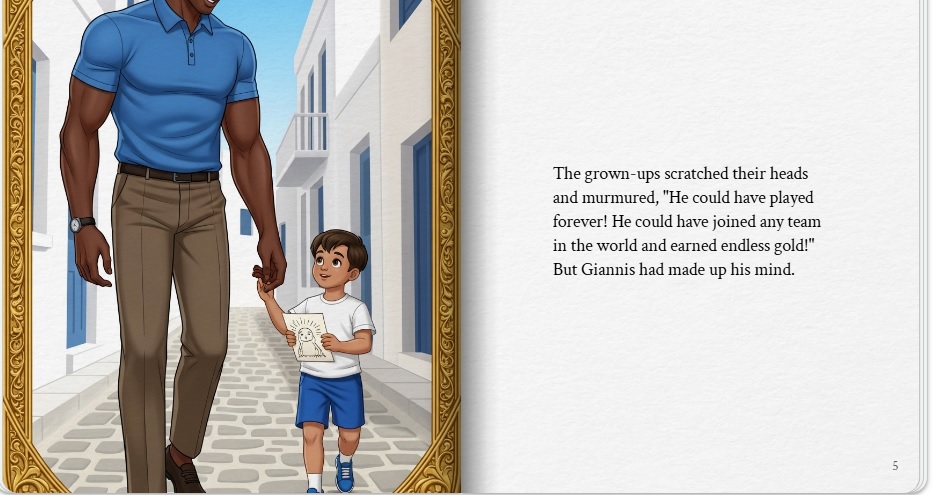
So here is my gift to you Giannis. Here is your happy ending. “And then Giannis returned to Greece to be with his family. He could have joined any NBA team he wanted but he chose his family and Greek roots. He spent 2 years with Olympiacos, won a European Championship to add to his trophy cupboard and then retired to concentrate on his other businesses and charities….”
If you are lucky, some of your fans will believe it.